By EMToast Staff Reporter | Food Industry & Corporate Strategy
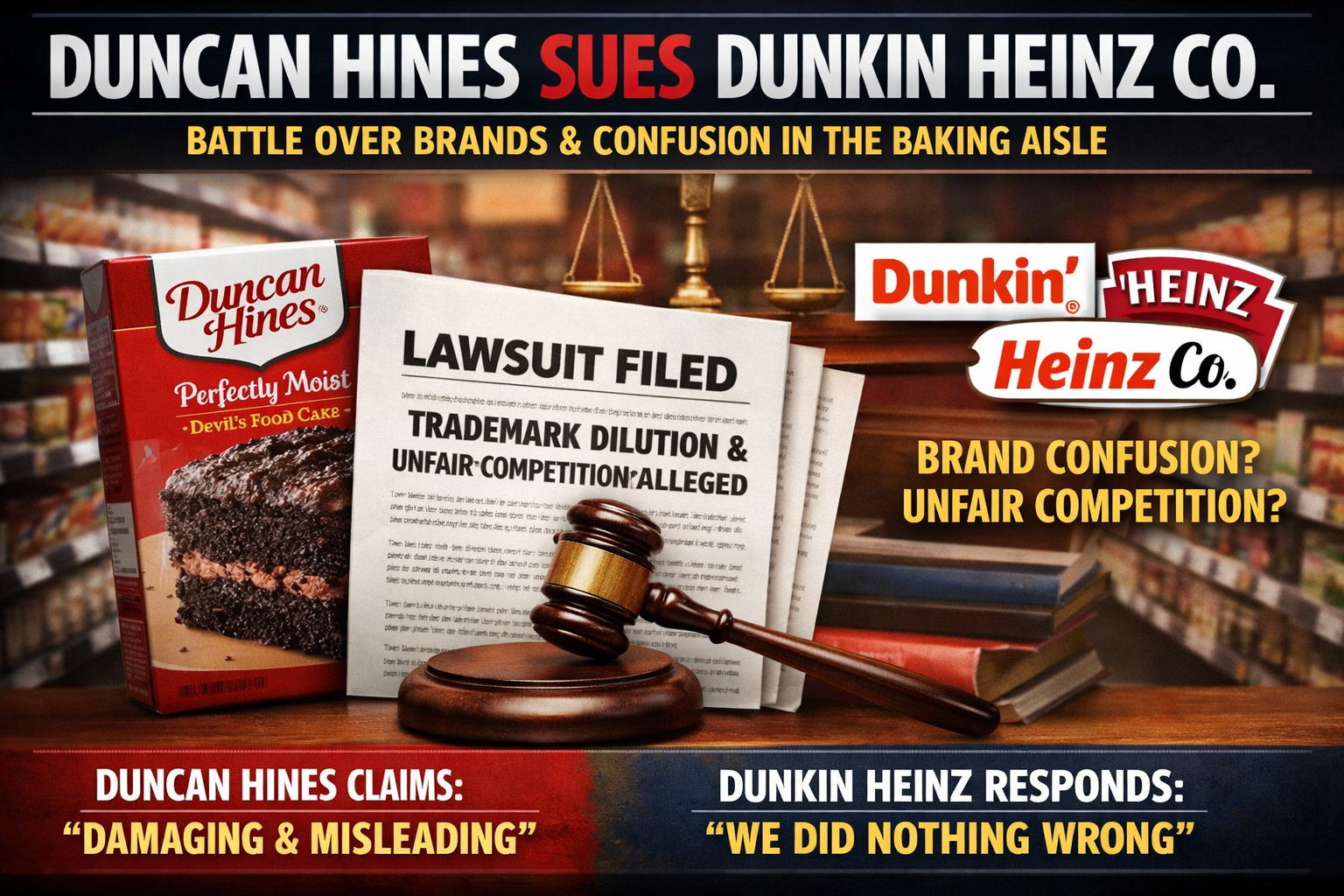
A brewing battle in the baking aisle escalated this week as Duncan Hines filed suit against Dunkin Heinz Co., alleging trademark dilution, unfair competition, and deceptive marketing practices tied to Dunkin Heinz’s recent expansion into the boxed cake category.
The complaint, filed in federal court, claims that Dunkin Heinz’s aggressive retail rollout and branding strategy have created consumer confusion and damaged Duncan Hines’ long-standing market position.
What Sparked the Lawsuit?
Dunkin Heinz Co., formed from the branding collaboration between Dunkin’ and Heinz, recently launched a bakery collection aimed squarely at the grocery aisle — traditionally dominated by Duncan Hines and other legacy baking brands.
According to the lawsuit, several elements triggered legal action:
Prominent shelf placement deals that reportedly displaced Duncan Hines products
Marketing campaigns comparing Dunkin Heinz cakes to “legacy brands”
Viral social media promotions and taste-test videos perceived as misleading
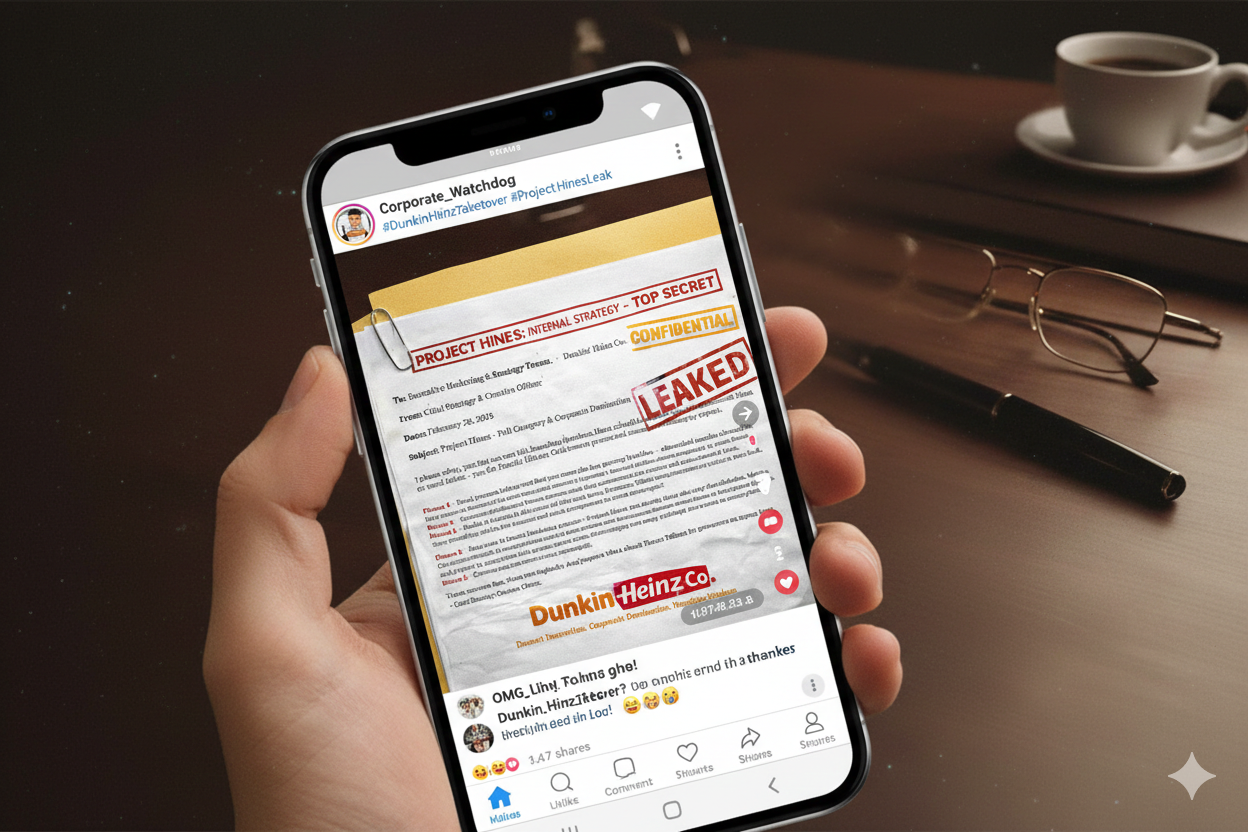
Internal documents referencing a potential acquisition strategy dubbed “Project Hines”
Duncan Hines argues that the combined branding and messaging strategy has blurred distinctions between the two companies in consumers’ minds.
The Core Allegations
The lawsuit alleges:
Trademark Dilution: That Dunkin Heinz’s naming strategies and category expansion weaken the distinctiveness of the Duncan Hines brand.
Likelihood of Confusion: That consumers may incorrectly assume an affiliation, endorsement, or merger between the two companies.
Unfair Competition: That certain marketing claims improperly position Dunkin Heinz products as superior without adequate substantiation.
In its filing, Duncan Hines seeks injunctive relief to halt specific marketing practices, along with damages and corrective advertising.
Dunkin Heinz Responds
In a statement, Dunkin Heinz Co. denied the allegations:
“Our bakery products are clearly branded and distinct. We compete vigorously but fairly in the marketplace and will defend ourselves against these claims.”
The company did not directly address references to “Project Hines,” though executives previously characterized internal planning documents as speculative strategy exercises.
What Happens Next?
Legal experts suggest the case could hinge on whether Dunkin Heinz’s branding and marketing create a measurable likelihood of consumer confusion — a key threshold in trademark disputes.
Possible outcomes include:
A court-ordered injunction limiting marketing tactics
A negotiated settlement
Rebranding adjustments
Or, in a more dramatic turn, deeper corporate negotiations between the two companies
For now, the grocery aisle has become the latest battleground in what analysts are calling one of the most unusual brand confrontations in recent food industry history.


Comments